
Bangladesh Fintech Market: Digital Payments & MFS Overview
An editorial analysis of Bangladesh's fintech ecosystem, examining MFS transaction volume, merchant QR adoption, and central bank regulations.
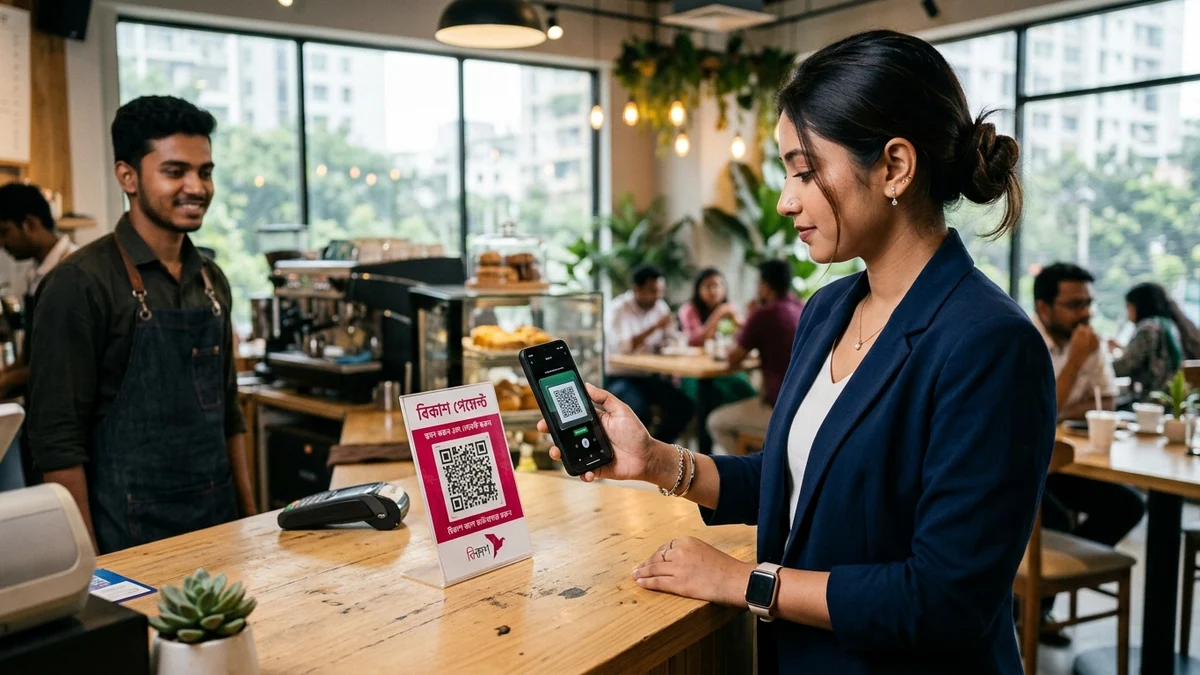
Ecosystem Scale & Daily Volumes
Bangladesh has established one of the world’s highest-volume Mobile Financial Services (MFS) ecosystems. According to monthly operational data released by Bangladesh Bank, daily average transaction volumes routinely exceed BDT 4,000 crore ($330+ million USD equivalent), driven by over 120 million registered customer accounts across formal providers.
What began as an informal remittance channel for urban garment factory workers remitting funds to rural family members has matured into a nationwide transactional backbone handling:
- Utility billing and municipal revenue collections
- Corporate payroll disbursement
- QR-code based micro-merchant retail payments
- Government-to-person (G2P) social safety net payments
The Regulatory Transition to Digital Banks
In an effort to expand financial inclusion toward formal credit access, Bangladesh Bank unveiled its licensing framework for full-fledged Digital Banks. Unlike conventional scheduled commercial banks with extensive physical branch networks, digital banks are mandated to operate entirely branchless, utilizing mobile applications, APIs, and automated credit-scoring algorithms.
Key regulatory requirements governing digital banks include:
- Minimum paid-up capital of BDT 125 crore ($10.5 million USD)
- Prohibition against issuing physical checkbooks or operating over-the-counter teller windows
- Mandatory implementation of the National Interoperable Payment Switch (NPSB) and Bangla QR protocols
- Strict adherence to cyber resilience and ISO 27001 data center operational guidelines
Bangla QR & Merchant Interoperability
A key structural impediment historically facing digital transactions was merchant fragmentation: a vendor displaying one provider’s QR code could not accept transfers from rival networks.
The nationwide rollout of Bangla QR—a unified interoperable standard developed by Bangladesh Bank—has bridged this gap, allowing smartphone users across participating banks and MFS providers to scan a single standard QR sticker at local grocery stores, fuel pumps, and retail outlets.
Sources, Data & References
In accordance with BD Market Insights Editorial Standards, all factual claims, market sizes, and corporate data cited in this publication are cross-referenced with official filings, regulatory bodies, and industry documentation.
- Bangladesh Bank Mobile Financial Services (MFS) Monthly Statistics — bb.org.bd (Accessed: September 28, 2026)
- Bangladesh Institute of Bank Management (BIBM) Digital Banking Research — bibm.org.bd (Accessed: September 28, 2026)
BD Market Insights Editorial Team
The BD Market Insights editorial desk compiles verified industry briefings, market data analysis, and company intelligence across Bangladesh economic sectors. All articles published by the desk adhere to independent journalistic scrutiny and rigorous verification against primary sources.
Related Market Intelligence
Relevant briefings, sectoral analysis and market data

Top Lithium Battery Manufacturers in Bangladesh
A researched guide to lithium battery manufacturers, assemblers, and energy storage suppliers operating in Bangladesh.
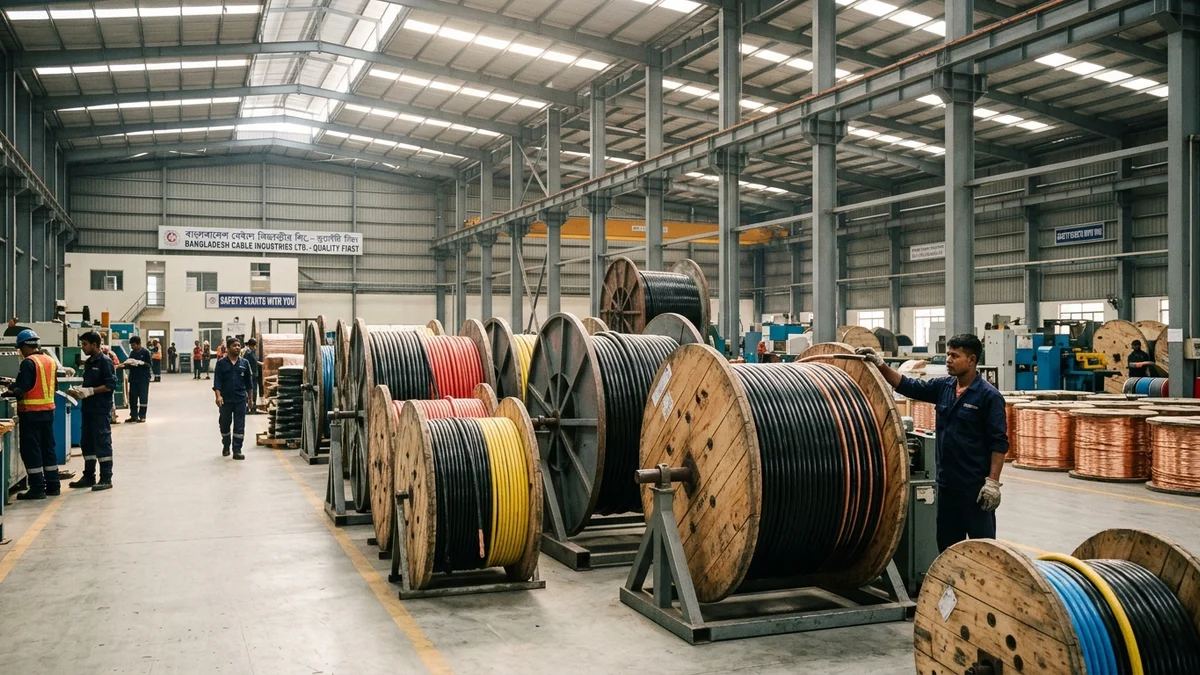
Industrial Cable Manufacturers in Bangladesh: Market Analysis
An analysis of Bangladesh's domestic cable manufacturing sector, examining grid expansion, optical fiber production, and key industrial manufacturers.
Cybersecurity & Data Sovereignty in Bangladesh Banking
Analyzing Bangladesh Bank cybersecurity directives, Security Operations Centers (SOC), vulnerability assessments, and national data sovereignty rules.