
Plastics & Industrial Packaging in Bangladesh: Towards Circular Recycling
Analyzing Bangladesh $4 billion plastics industry, garment polybag packaging, PET bottle flake recycling, and biodegradable polymer alternatives.

Executive Overview & Strategic Context
Analyzing Bangladesh $4 billion plastics industry, garment polybag packaging, PET bottle flake recycling, and biodegradable polymer alternatives.
The plastics and industrial packaging vertical in Bangladesh plays an indispensable dual role: it is both a major standalone consumer goods manufacturing sector and the vital supply chain backbone supporting garment, pharmaceutical, and food processing exports.
Market Data & Structural Benchmarks
| Plastic Category | Major Industrial End-Use | Domestic Production | Recycled Material Content | Key Environmental Objective |
|---|---|---|---|---|
| PET (Polyethylene Terephthalate) | Beverage bottles, food packaging | 280,000 MT / Yr | 35% Recycled Flakes | Exporting recycled polyester yarn to RMG |
| LDPE / LLDPE Flexible Film | Garment polybags, agricultural mulch | 350,000 MT / Yr | 20% Post-Industrial | Biodegradable cassava starch blending |
| HDPE Rigid Containers | Chemical carboys, FMCG bottles | 220,000 MT / Yr | 45% Regrind Resin | Closed-loop industrial container return |
| PP (Polypropylene) Woven Sacks | Cement bags, fertilizer sacks | 310,000 MT / Yr | 15% Recycled Core | High-tensile UV stabilized durability |
Technology & Operational Comparative Analysis
Economic Footprint of Plastics
- Crucial Export Supply Chain Enabler: Provides 100% of the hangers, blister packs, polybags, and corrugated cartons demanded by RMG exporters.
- Emerging Recycled PET Export Boom: Domestic recycling plants processing discarded bottles into food-grade PET flakes, generating $80M+ in export revenue.
Ecological Imperatives
- Drainage & Riverine Clogging: Poor municipal solid waste management leads to single-use thin polythene clogging urban waterways.
- Microplastic Contamination: Absence of standardized mechanical sorting facilities leads to plastic degradation into river ecosystems.
Forward Market Outlook
As Bangladesh continues its industrial modernization, corporate leaders and policymakers must navigate international standards, digital transformation, and infrastructural investments. BD Market Insights will continue to track structural indicators and publish verified updates.
Sources, Data & References
In accordance with BD Market Insights Editorial Standards, all factual claims, market sizes, and corporate data cited in this publication are cross-referenced with official filings, regulatory bodies, and industry documentation.
- Bangladesh Plastic Goods Manufacturers & Exporters Association (BPGMEA) — bpgmea.org.bd (Accessed: September 28, 2026)
- Department of Environment (DoE) — doe.gov.bd (Accessed: September 28, 2026)
Key Corporate Entities & Manufacturers Mentioned
Verified corporate entities covered in this briefing
Bashundhara Group
One of the largest industrial conglomerates in Bangladesh, operating market-leading production facilities in cement, paper and tissue, LP gas distribution, oil refining, and industrial packaging.
BSRM Steels Limited
DSE: BSRMSTEELBangladesh's largest steel rebar and structural steel manufacturer, providing high-tensile reinforcement bars for major national infrastructure megaprojects.
Runner Automobiles PLC
DSE: RUNNERAUTOPioneering Bangladeshi automotive manufacturer operating vehicle assembly and metal stamping plants for two-wheelers, three-wheelers, and commercial vehicles.
BD Market Insights Editorial Team
The BD Market Insights editorial desk compiles verified industry briefings, market data analysis, and company intelligence across Bangladesh economic sectors. All articles published by the desk adhere to independent journalistic scrutiny and rigorous verification against primary sources.
Frequently Asked Questions
Operational, regulatory, and market intelligence answers curated for this report.
What are the primary regulatory authorities governing manufacturing projects in Bangladesh?
Renewable energy and power initiatives in Bangladesh are overseen by the Power Division under the Ministry of Power, Energy and Mineral Resources (MPEMR), the Bangladesh Power Development Board (BPDB), the Sustainable and Renewable Energy Development Authority (SREDA), and the Bangladesh Energy Regulatory Commission (BERC).
How do domestic equipment standards compare to imported equivalents?
Industrial equipment deployed in Bangladesh must comply with BSTI standards and international benchmarks such as IEC, IEEE, and UL. Top domestic assemblers now source Tier-1 components and utilize certified testing facilities at BUET for compliance verification.
What incentives are available for commercial and industrial clean energy adoption?
Commercial entities benefit from net metering guidelines (enabling export of surplus rooftop solar energy), concessionary financing facilities from IDCOL, and reduced import duties on specialized renewable capital machinery under BIDA industrial registration.
Related Market Intelligence
Relevant briefings, sectoral analysis and market data
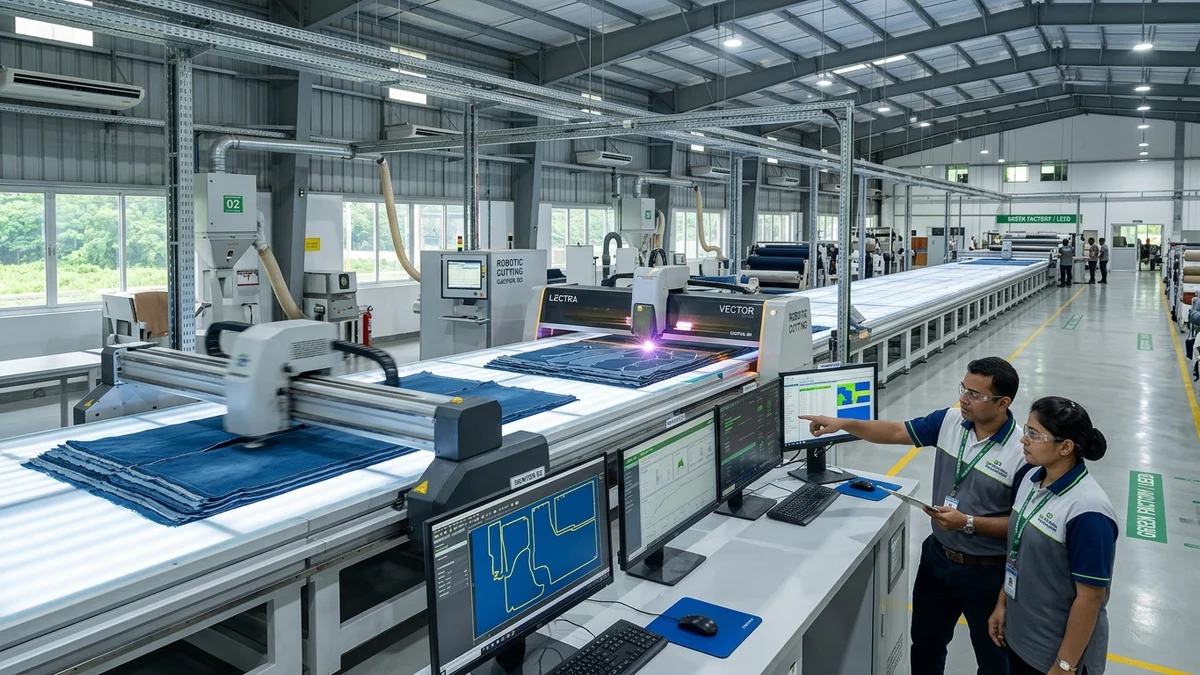
RMG Automation Trends: Robotics & Efficiency in Bangladesh
A technical examination of factory automation, automated fabric cutting, IoT line tracking, and LEED green certification across Bangladesh's RMG manufacturing sector.

Automotive Assembly & Four-Wheeler Manufacturing in Bangladesh
Analyzing the progressive Automobile Industry Development Policy, Hyundai and Proton CKD assembly lines, and domestic automotive component localization.

Cement Manufacturing in Bangladesh: Clinker Grinding & Export Growth
Examining Bangladesh 85 million MT cement grinding industry, VRM technology, clinker logistics, and cross-border exports to Northeast India.